
 blog
blog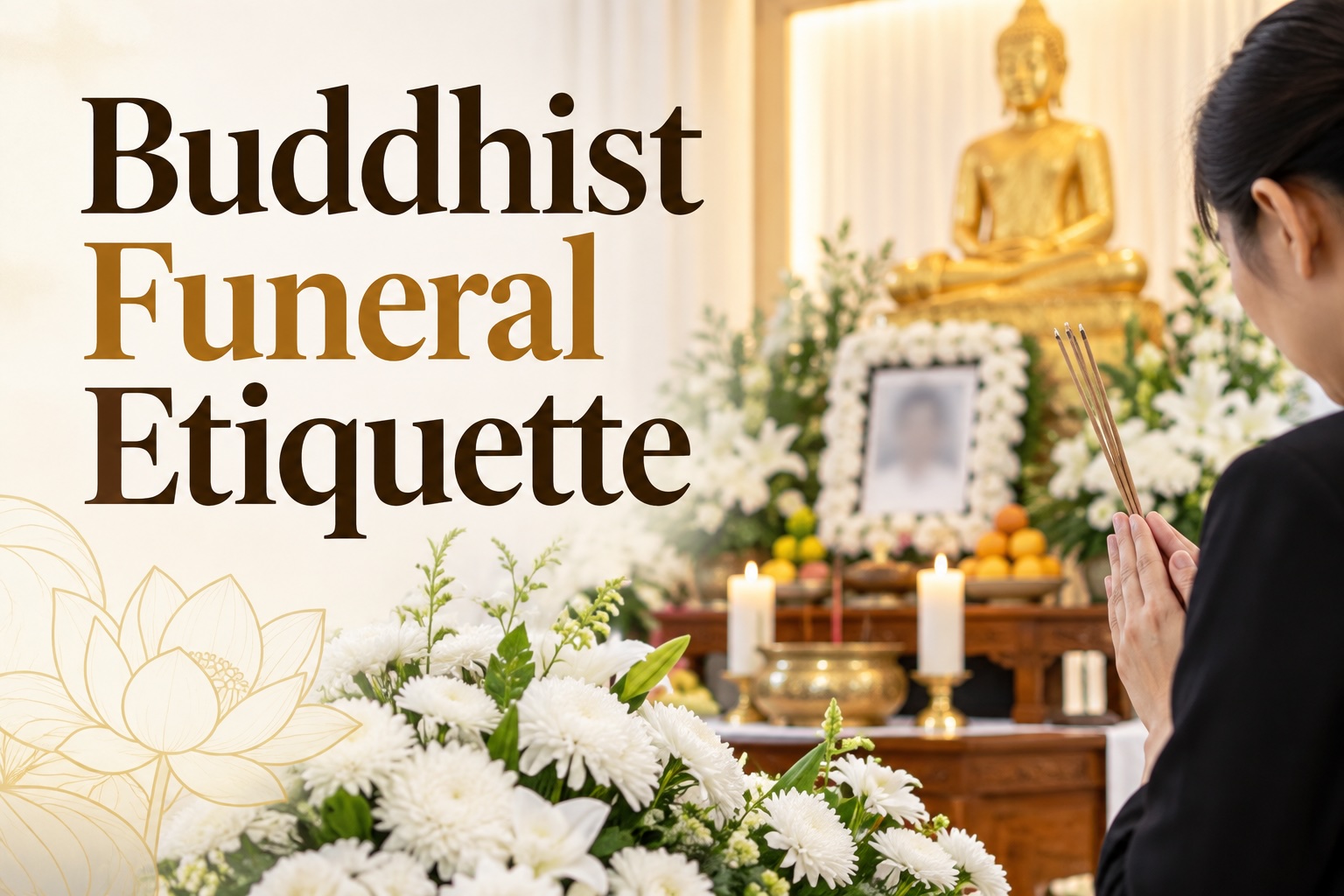
- Published by: Tutor City
- September 26, 2026
- Lifestyle
Buddhist Funeral Etiquette in Singapore: A Guide for Guests and Families 2026
Arranging the funeral is only half the picture as guests and relatives often have just as many questions about what's expected of them. This guide covers etiquette for both sides: what families should communicate, and what guests should know before attending.
For families: what to tell guests in advance
A short message before the wake prevents most awkward moments. Cover the dress code (typically white, black, or other muted colours — bright colours, especially red, are usually avoided), whether condolence money is expected and how it should be presented, and roughly how long guests are expected to stay.
For guests: what to wear
Muted, sombre clothing is standard. If you're unsure of a family's specific expectations, plain white or black is a safe default. Avoid bright colours and elaborate jewellery.
For guests: bringing condolence money
It's customary to bring condolence money in a white envelope. If you're unsure of the appropriate amount, a quiet word with another guest beforehand, or simply following what feels proportionate to your relationship with the family, is generally acceptable.
For guests: how to behave at the wake
Speak quietly, avoid loud conversation or laughter near the altar, and follow the family's lead on how long to stay — some wakes have a clear pattern of guests visiting for a shorter period rather than the full duration. If chanting is underway when you arrive, it's respectful to wait quietly until the session ends before approaching the family.
For families: managing the offerings and altar
Offerings are typically vegetarian, often fruit and flowers. Designating one family member to look after the altar daily — replacing offerings, tending candles — keeps this manageable rather than falling to whoever happens to notice.
Where to learn more about arranging the service itself
You can review the Best Buddhist funeral Service available in Singapore for guidance on providers and typical inclusions, especially for families still finalising the practical side of the wake.
Final words
Etiquette questions are rarely asked outright, which means small missteps happen more often than they need to. A short, clear message from the family, and a little preparation from guests, keeps the focus where it belongs.






Tutor City's blog focuses on balancing informative and relevant content, never at the expense of providing an enriching read.
We want our readers to expand their horizons by learning more and find meaning to what they learn.
Resident author - Mr Wee Ben Sen, has a wealth of experience in crafting articles to provide valuable insights in the field of private education.
Ben Sen has also been running Tutor City, a leading home tuition agency in Singapore since 2010.
