
 blog
blog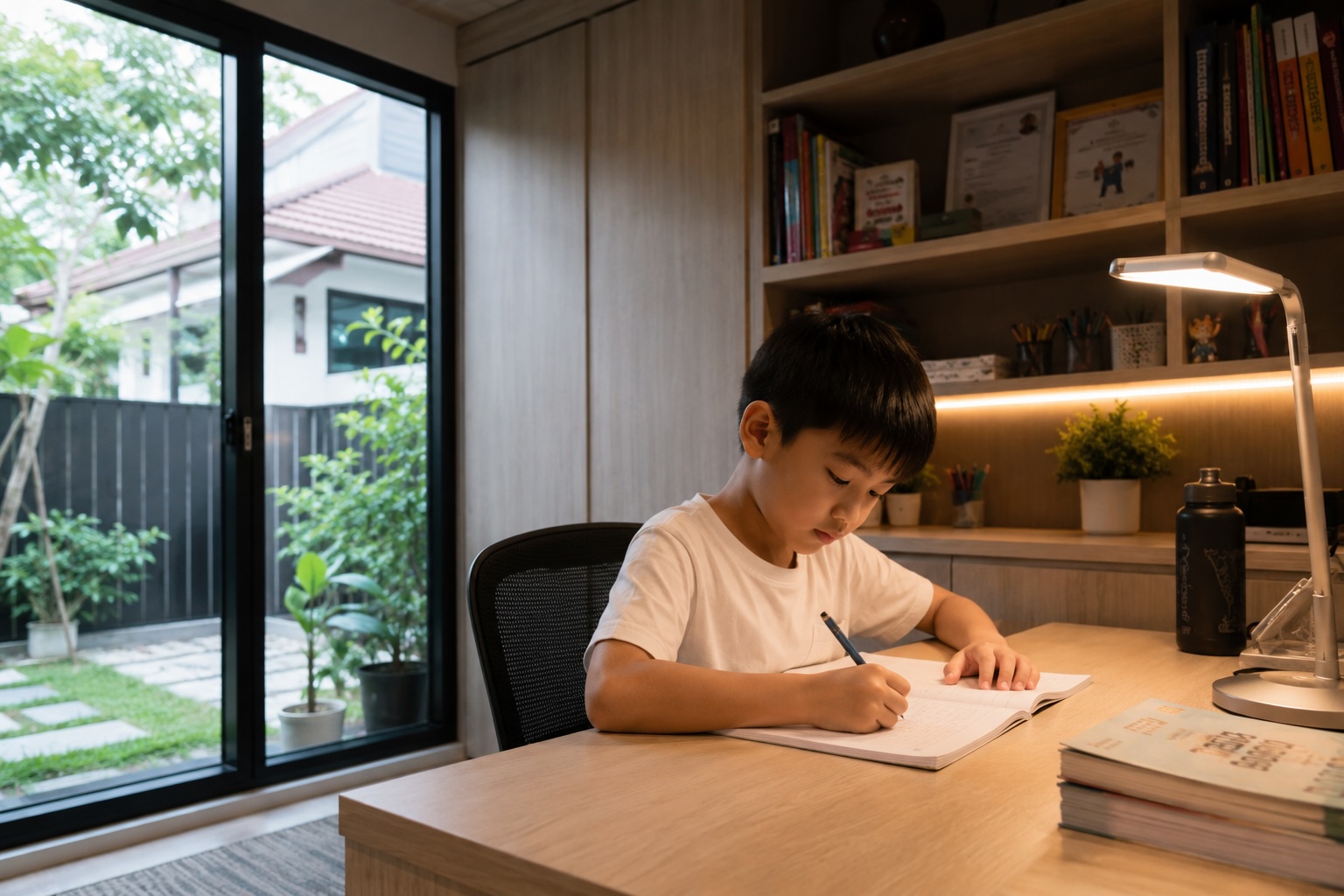
- Published by: Tutor City
- June 12, 2026
- Education
How the Design of a Study Space at Home Affects Academic Performance
Parents often focus on tutors, learning materials, and study schedules when trying to improve their children's academic performance. While these factors certainly matter, one important element is frequently overlooked: the study environment itself.
The design of a study space at home can have a significant impact on concentration, motivation, memory, and productivity. A student who studies in a noisy living room filled with distractions may struggle to focus, while another student working in a quiet and organized space often finds it easier to learn and retain information.
Research in educational psychology and environmental psychology has repeatedly shown that physical surroundings influence human behavior. The spaces we spend time in affect how we think, feel, and perform. This is especially true for children and teenagers whose brains are still developing. Today, many families are rethinking how they use their homes.
Some are creating dedicated study rooms, while others are converting spare bedrooms, garages, attics, or even steel garden sheds into learning spaces.
The goal is simple: provide students with an environment that supports focus and academic success.
In this article, we will explore the relationship between study space design and academic performance. We will also discuss practical home improvement ideas that parents can implement to create a better learning environment.
Why the Environment Matters More Than Many Parents Realize
Imagine trying to solve a difficult mathematics problem while a television is playing in the background, family members are having conversations nearby, and notifications keep appearing on your phone.
Most adults would struggle under these conditions. Children face the same challenge.
According to the American Psychological Association, multitasking and constant distractions can reduce performance and increase mistakes. The brain works best when it can focus on one task at a time.
When students have access to a dedicated study area, their brains begin to associate that space with learning. Over time, simply entering that environment can trigger a mental state that supports concentration and productivity.
Psychologists often refer to this as context-dependent learning. The brain forms associations between specific environments and certain behaviors. Just as a bedroom encourages relaxation and sleep, a study room can encourage focus and learning.
The Psychology Behind Dedicated Study Spaces
Many successful students follow routines that help them enter a focused mindset. A dedicatedstudy space acts as a powerful psychological cue.
1. Habit Formation and Environmental Triggers
Behavioral psychologists have long recognized the importance of environmental cues in habit formation. When a child studies in the same place every day, the brain begins to connect that location with academic activities. Over time, sitting at that desk automatically signals that it is time to focus.This reduces the mental effort required to start studying. Students who constantly switch locations often spend more time adjusting to their surroundings and less time learning.
2. Reduced Cognitive Load
Another important concept is cognitive load theory. The human brain has limited working memory capacity. When a study environment contains clutter, noise, visual distractions, or interruptions, part of the brain's resources are used to process those distractions.
As a result, fewer mental resources remain available for learning. A clean, organized study area helps students focus their attention on the material they are trying to understand.
3. Increased Sense of Control
Research has shown that people perform better when they feel they have control over their environment.
Students who have a dedicated study space often feel a greater sense of ownership and responsibility. They can organize their books, personalize their workspace, and create routines that work for them.
This sense of control often leads to increased motivation and confidence.
Key Design Elements That Improve Academic
Performance
Not every family can build a large study room. Fortunately, even small improvements can make a meaningful difference.
1. Natural Lighting
Lighting plays a major role in concentration and energy levels. Studies have found that exposure to natural daylight can improve mood, alertness, and productivity. Students who study near windows often experience less eye strain and fatigue.
Whenever possible, place study desks near windows that provide access to natural light. If natural light is limited, use bright and adjustable task lighting to reduce eye strain.
2. Noise Control
Noise is one of the biggest obstacles to effective studying. Background conversations, television sounds, household appliances, and traffic noise can interrupt concentration.
Parents can reduce noise by:
- Choosing quieter areas of the home
- Using rugs and curtains to absorb sound
- Installing weather stripping around doors
- Using white noise machines when appropriate
Even small reductions in noise can improve focus.
3. Comfortable Furniture
Students often spend several hours studying each week. Poor seating can lead to discomfort,
back pain, and frequent distractions. A study space should include:
- A supportive chair
- A desk at the correct height
- Adequate legroom
- Proper monitor positioning for computer work
Comfort supports longer periods of focused learning.
4. Organization and Storage
Clutter competes for attention. An organized environment helps students quickly locate books,
notes, and supplies. Useful storage solutions include:
- Bookshelves
- Storage cabinets
- Desk organizers
- Labelled containers
A tidy workspace often promotes a calmer and more productive mindset.
The Rise of Backyard Study Spaces
As homes become busier, many families are exploring creative ways to create dedicated
learning environments. One increasingly popular option is the backyard study space.
These spaces can take many forms:
- Converted garden sheds
- Steel sheds designed for year-round use
- Small detached study rooms
- Backyard offices adapted for student learning
The primary advantage of a detached study area is separation.Students are physically removed from household distractions such as televisions, kitchens, gaming consoles, and frequent interruptions. This separation creates a stronger mental boundary between leisure and study.
Many parents report that children become more focused when studying in a quiet structure located away from the main living area.
Modern steel sheds are particularly attractive because they are durable, low-maintenance, and can be insulated, furnished, and equipped with electricity, internet access, and climate control.
A well-designed backyard study shed can function as a private learning retreat where students attend online tuition sessions, complete homework, prepare for exams, and develop independent study habits.
Study Rooms vs Shared Spaces
Not every family has the luxury of an extra room dedicated to studying. Many students share bedrooms, dining tables, or living areas with other family members.
While it is possible to succeed academically in shared spaces, dedicated study areas generally offer several advantages.
1. Fewer Interruptions
Shared spaces often come with frequent distractions. Family conversations, household chores, television programs, and visitors can break a student's concentration.
Research suggests that it can take several minutes to regain focus after an interruption. When interruptions happen repeatedly, study efficiency drops significantly.
2. Better Routine Development
A dedicated study space helps create consistency. Students who study in the same location at the same time each day often develop stronger routines. These routines reduce procrastination and make studying feel like a normal part of daily life.
3. Improved Independence
As students grow older, independent learning becomes increasingly important. A dedicated study space encourages responsibility and self-management. Students learn to organize materials, manage schedules, and take ownership of their academic progress.
The Impact of Color on Learning
Many parents focus on furniture and storage but overlook color choices.
Color psychology suggests that certain colors can influence mood and behavior.
While color alone will not improve grades, it can contribute to a positive learning environment.
- Blue
Blue is often associated with calmness and concentration. Many educational institutions use
shades of blue because they can help create a peaceful atmosphere that supports focus.
- Green
Green is linked to balance and reduced mental fatigue. It is often recommended for study
spaces because it creates a refreshing environment that feels comfortable during long study
sessions.
- Yellow
Yellow can stimulate creativity and optimism when used in moderation. Small yellow accents
can brighten a study area without becoming distracting.
Neutral Colors:
White, beige, and light gray create clean and organized environments. These colors work well as primary design elements because they minimize visual distractions. Parents should avoid overly bright or chaotic color combinations that may compete for attention.
Technology and Modern Learning Spaces
Technology has become an essential part of education. Online tuition, digital assignments, educational apps, and virtual classrooms are now common learning tools.
A modern study space should support these activities effectively.
1. Reliable Internet Access
Students attending online lessons need stable internet connections. Frequent connectivity issues can create frustration and interrupt learning.
2. Proper Device Placement
Laptops and monitors should be positioned at eye level whenever possible. This helps reduce
neck strain and promotes healthier posture.3. Charging Stations
Dedicated charging areas keep devices organized and reduce clutter. Simple cable management solutions can make study spaces feel more professional and efficient.
4. Limiting Digital Distractions
Technology can be both helpful and harmful. Parents should encourage students to separate educational activities from entertainment whenever possible.
Using website blockers, focus applications, or designated study modes can help students stay on task.
Home Improvement Ideas for Different Budgets
Creating an effective study environment does not always require major renovations. Families can make meaningful improvements regardless of budget.
1. Budget-Friendly Improvements
If resources are limited, consider:
- Rearranging furniture to create a study corner
- Adding a small bookshelf
- Improving lighting
- Using noise-reducing curtains
- Installing wall organizers
- Decluttering existing spaces
These simple changes can dramatically improve functionality.
2. Mid-Range Improvements
Families with larger budgets might consider:
- Converting a spare bedroom into a study room
- Installing custom storage solutions
- Adding built-in desks
- Improving insulation for noise control
- Upgrading lighting systems
These improvements can create a more professional learning environment.
3. Premium Study Space SolutionsSome homeowners choose to invest in dedicated learning structures.
Examples include:
- Backyard study sheds
- Detached garden offices
- Converted garages
- Multi-purpose learning studios
These spaces provide exceptional privacy and can continue serving useful purposes as children grow older. For example, a backyard study shed used by a secondary school student today may later become a home office, creative studio, or remote work space.
This flexibility makes such investments attractive to many families.
Common Mistakes Parents Make
Even with the best intentions, parents sometimes create study environments that work against student success.
Mistake 1: Prioritizing Appearance Over Function
A beautiful study room is not necessarily an effective one. The primary goal should always be comfort, organization, and functionality.
Mistake 2: Ignoring Student Preferences
Students have different learning styles. Some prefer complete silence. Others work better with mild background sound. Parents should involve children in the design process whenever possible.
Mistake 3: Overcrowding the Space
Too many decorations, gadgets, and accessories can become distractions. A clean and organized environment usually works best.
Mistake 4: Combining Study and Entertainment Areas
When gaming consoles, televisions, and social media are constantly available, students may struggle to stay focused. Whenever possible, study zones should be separate from entertainment zones.
Mistake 5: Poor Lighting
Dim lighting contributes to eye strain, fatigue, and reduced concentration. Good lighting remains one of the simplest and most effective improvements parents can make.
The Future of Home Learning Spaces
The way students learn continues to evolve. Online education, hybrid learning, and digital tutoring have transformed how families think about educational environments.
As a result, many modern homes now include flexible spaces designed specifically for learning and productivity.
Architects and home designers increasingly recognize the importance of study areas. New home designs often feature:
- Dedicated home offices
- Study nooks
- Flexible learning zones
- Multi-purpose backyard structures
- Quiet rooms designed for focused work
These trends reflect a growing understanding that learning environments play an important role in academic success.
The home is no longer just a place for rest and recreation. It has become an important center for education as well.
Conclusion
Academic success depends on many factors, including effort, teaching quality, study habits, and parental support. However, the physical environment should not be overlooked.
The design of a study space can influence concentration, motivation, memory retention, and productivity. Dedicated learning environments help students develop stronger routines, reduce distractions, and create positive study habits.
Whether it is a quiet corner in a bedroom, a converted spare room, a garage study area, or a backyard steel shed transformed into a learning retreat, the goal remains the same: provide students with a space where they can focus, grow, and achieve their potential.
Parents do not need expensive renovations to make a difference. Small improvements such as better lighting, reduced clutter, improved organization, and noise control can have a meaningful impact on a child's daily learning experience. As education continues to evolve, thoughtfully designed home study spaces will become increasingly valuable. Investing in a supportive learning environment today can help students build the habits, confidence, and focus they need for long-term academic success.






Tutor City's blog focuses on balancing informative and relevant content, never at the expense of providing an enriching read.
We want our readers to expand their horizons by learning more and find meaning to what they learn.
Resident author - Mr Wee Ben Sen, has a wealth of experience in crafting articles to provide valuable insights in the field of private education.
Ben Sen has also been running Tutor City, a leading home tuition agency in Singapore since 2010.
